
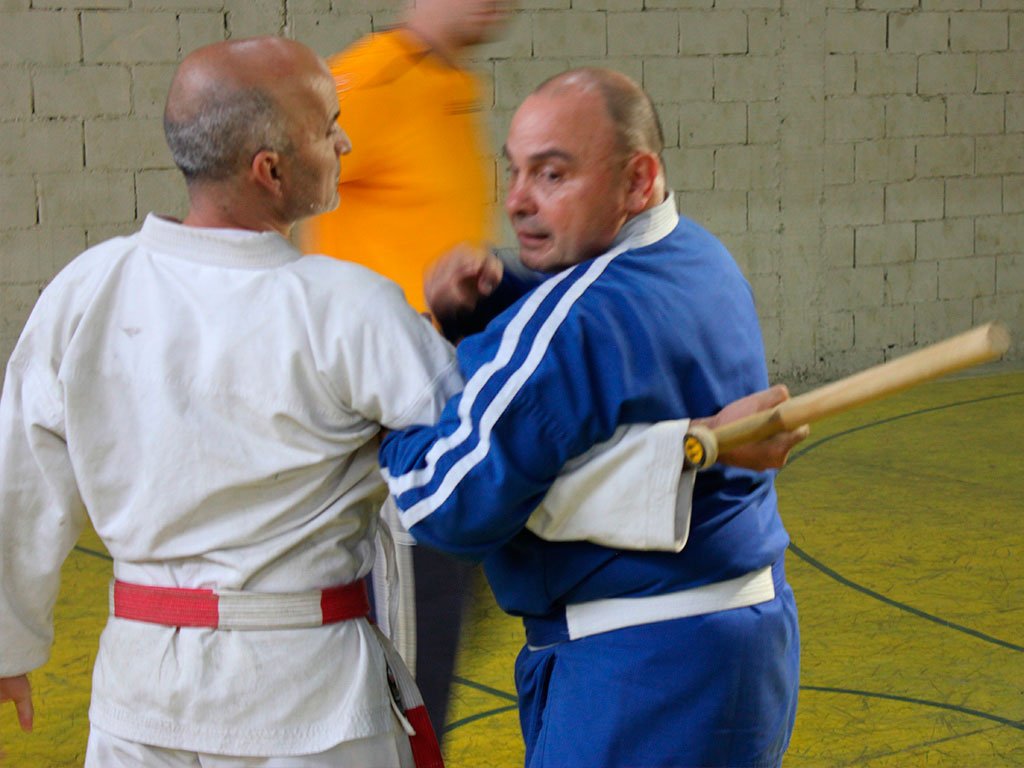
In martial arts, few debates are as relevant for real-world self-defense as the question of how to handle multiple attackers. While many disciplines offer effective techniques in controlled environments, the reality of a sudden street assault is fundamentally different from what happens in a dojo or tournament setting. Two systems often compared in this context are Brazilian Jiu-Jitsu (BJJ) and Krag Hagana, each with a very different philosophy and operational approach.
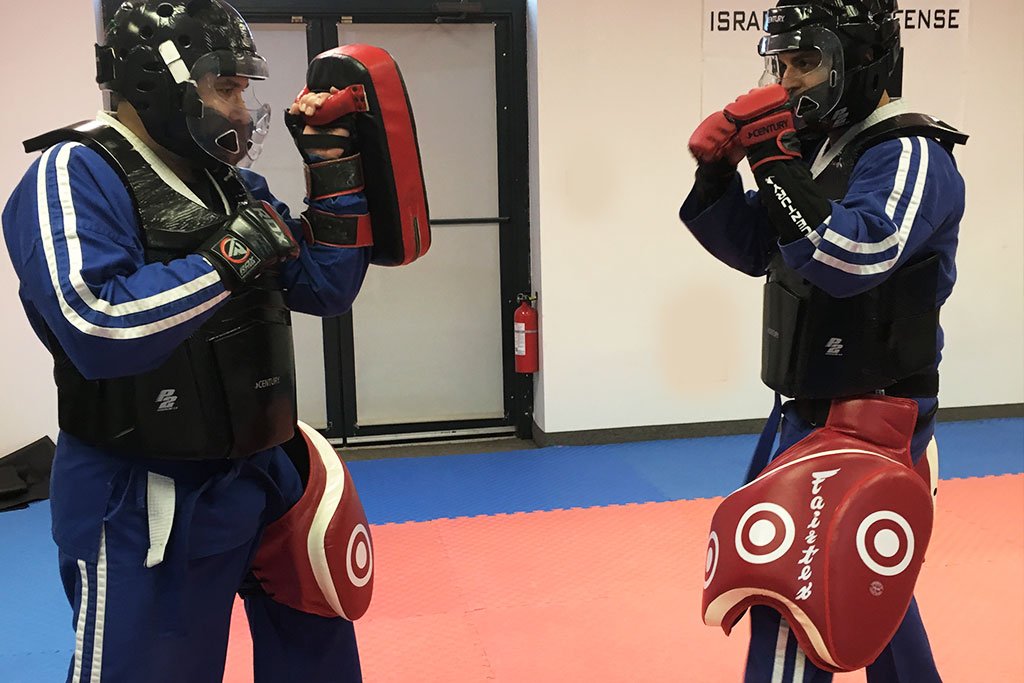
Why Jiu-Jitsu Works on the Mat, and Why It Breaks Down in Multi-Attacker Scenarios
Brazilian Jiu-Jitsu is one of the most effective one-on-one grappling systems ever developed. Its strengths are clear:
- Ground control
- Joint locks and submissions
- Positional dominance
- Leverage-based techniques effective regardless of size
However, these strengths become vulnerabilities the moment there is more than one attacker.
1. Ground fighting creates immobilization
The moment a practitioner commits to the ground whether securing mount, guard, or a submission, they become stationary. Against multiple attackers, this is the worst possible position. While controlling one opponent, the others remain free to kick, strike, or use weapons.
2. Submission holds require time
In sport or self-defense against a single attacker, time spent securing a choke or lock is fine. On the street, every second spent engaged with one opponent increases exposure to the others.
3. BJJ assumes a “duel,” not a chaotic confrontation
The structure of jiu-jitsu training, one opponent, one engagement, does not condition practitioners for the 360-degree awareness, rapid disengagement, or tactical movement required for multi-threat survival.
This does not diminish the value of BJJ; it simply highlights that the art is optimized for a different context.
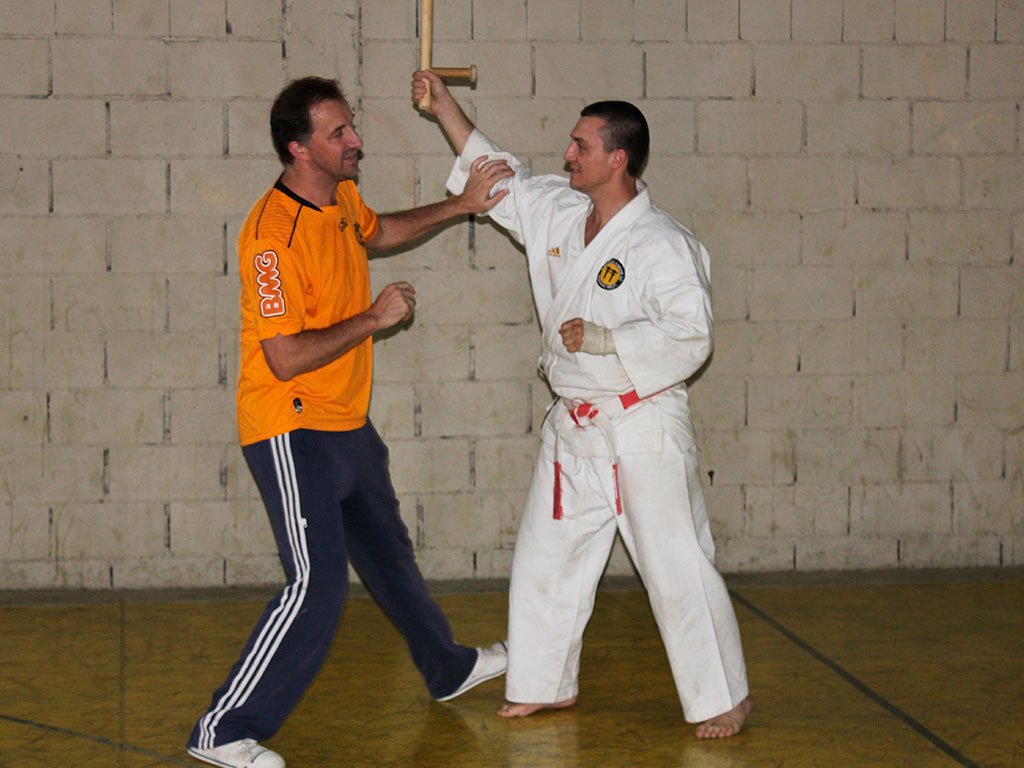
Krag Hagana: Built for Real-World, Multi-Attacker Situations
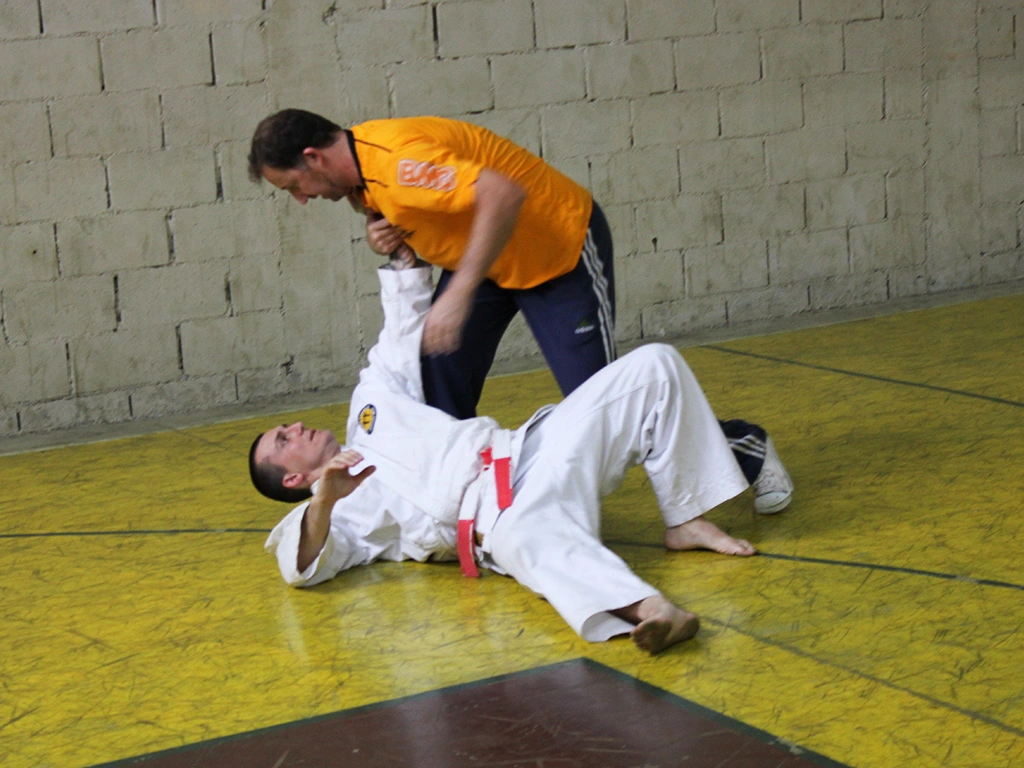
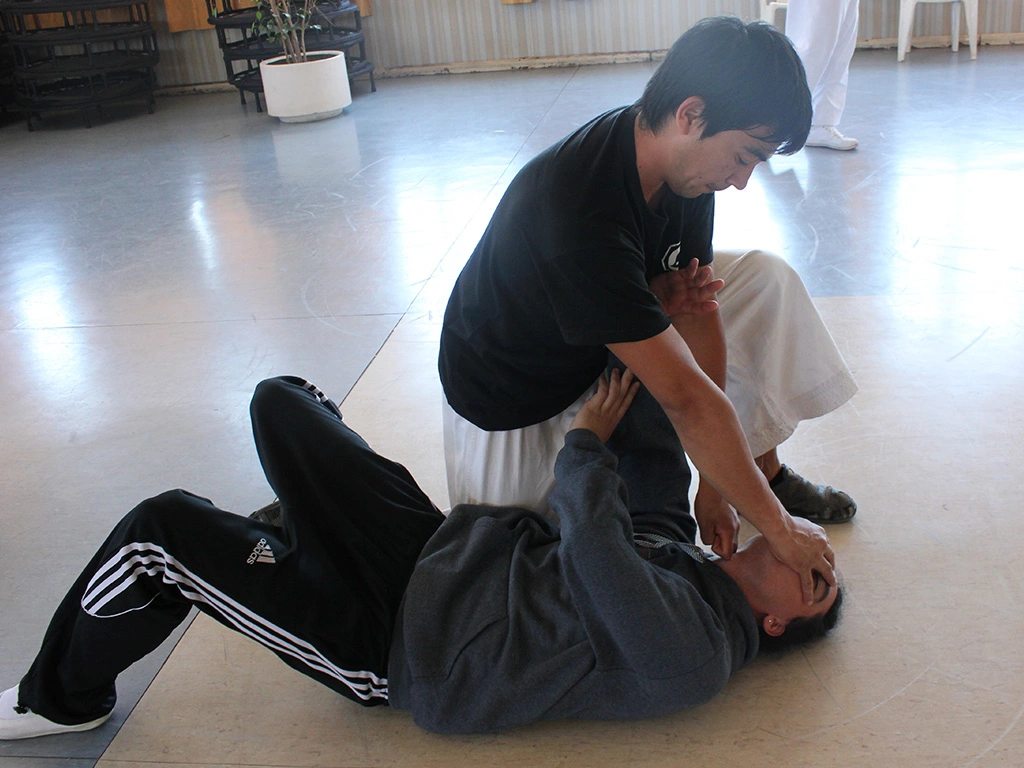
Where jiu-jitsu focuses on controlling a single opponent, Krag Hagana is designed around the assumption that real violence rarely happens one-on-one. It is a combat system that integrates striking, tactical movement, weapon awareness, and scenario-based training.
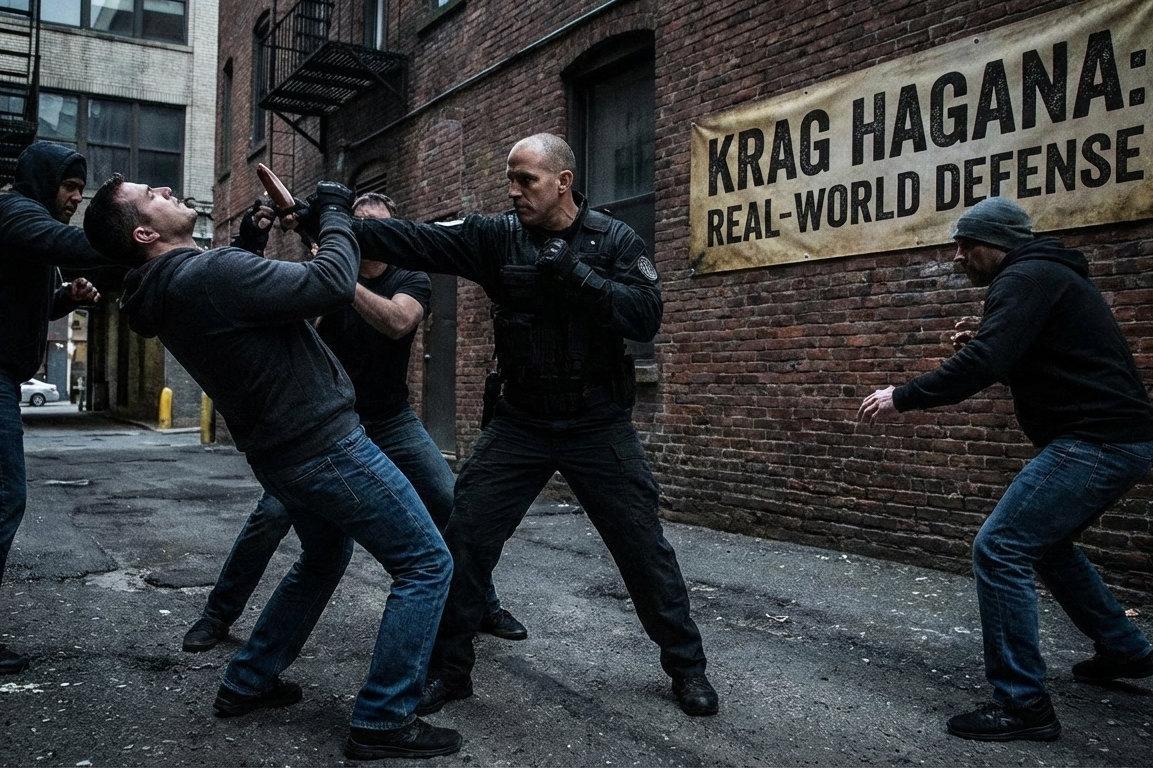
1. Immediate disengagement, not control
Instead of holding an attacker, Krav Hagana prioritizes:
- Striking to create distance
- Breaking contact quickly
- Neutralizing the threat just long enough to move to a safer position
This prevents entanglement and minimizes the risk of being overwhelmed.
2. Movement over grappling
The system teaches:
- Constant repositioning
- Avoiding getting trapped against walls or vehicles
- Using angles and footwork to keep attackers in a “line,” where only one can reach you at a time
In multiple-attacker situations, mobility is survival.
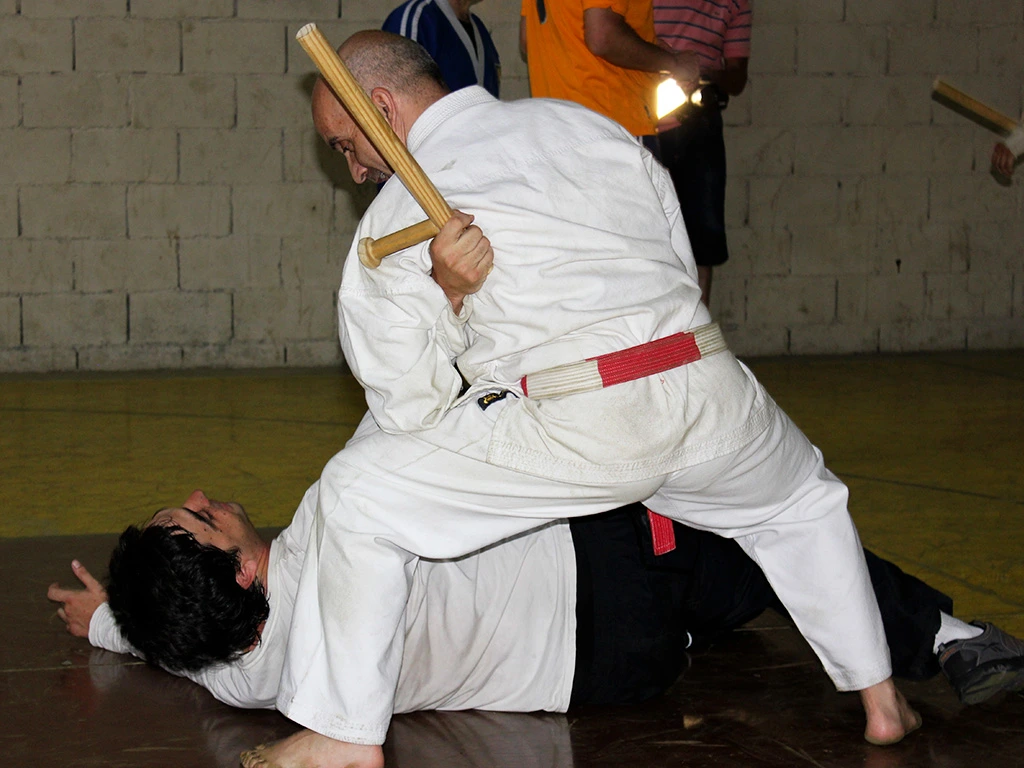
3. Integration of weapons and environmental awareness
- Knives
- Blunt objects
- Concealed weapons
- Friends of the primary attacker joining unexpectedly
Krag Hagana explicitly trains responses that address these variables rather than assuming a clean, single-opponent engagement.
4. Rapid strikes over submissions
Techniques emphasize:
- Short, powerful strikes
- Attacks to vulnerable targets
- Quick escapes
- Tactical decisions under pressure
The objective is not to win, but to escape and survive.
Conclusion: Context Determines Effectiveness
Jiu-jitsu remains one of the most effective systems for one-on-one combat, especially in controlled or competitive settings. Its technical depth and efficiency are undeniable.
Krag Hagana, however, is designed for the realities of modern violence where attackers rarely come alone, weapons may be present, and the environment is unpredictable.
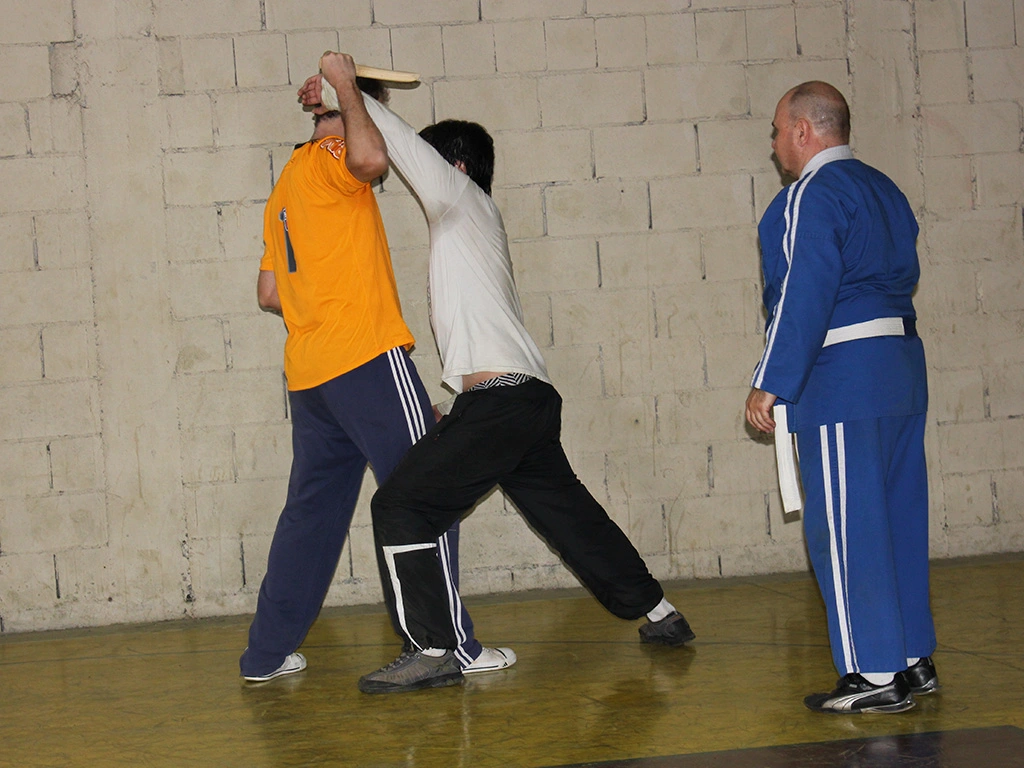
For martial artists and students evaluating the best system for self-defense, the key is understanding the scenario you are preparing for. On the mat, jiu-jitsu is king. On the street, especially against multiple attackers, tactics like those found in Krag Hagana become essential.
For more information about our training programs and class schedule, visit our official website