
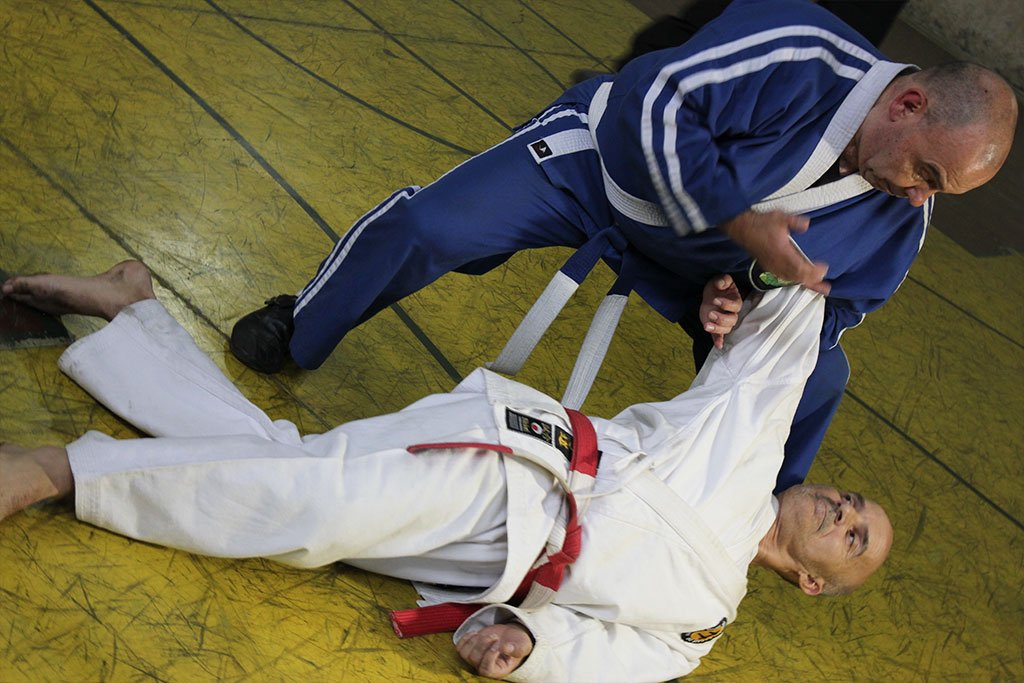
Understanding the Difference Between “Complete Combat” and Hand-to-Hand Focus
In the world of self-defense and modern combat training, two systems often come up in comparison: Krav Hagana and Krav Maga. While both share Israeli roots and a commitment to real-world effectiveness, their structure, intent, and tactical depth are not the same.
One of the most important differences, and a major advantage for Krav Hagana, is the scope of the system. Where Krav Maga is traditionally defined as a hand-to-hand self-defense discipline, Krav Hagana positions itself as a complete combat system.
Below, we break down what that means and why the distinction matters.
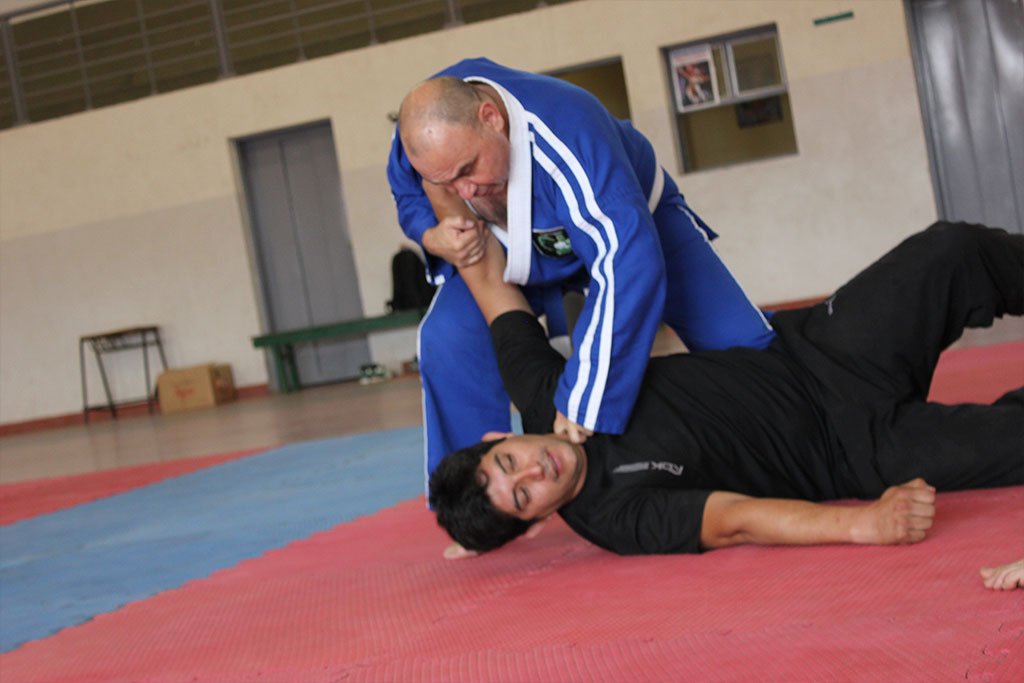
Krav Hagana: A Complete Combat System
Krav Hagana is often described as a comprehensive combat framework, not just a self-defense method. While it includes the same hand-to-hand foundations found in Krav Maga, it expands far beyond them with:
✔ Weapons Combat Training
Dedicated instruction for modern weapons scenarios, knives, sticks, firearms, and improvised weapons.
✔ Tactical Components
Movement strategies, small-team responses, situational awareness, and combat mindset that reflect current feedback from active military and special forces operators.
✔ Fitness & Conditioning
Combat-specific conditioning designed to enhance explosive power, endurance, and the ability to perform under stress.
In short, Krav Hagana is built as a full-spectrum combat system, integrating unarmed and armed solutions into a single training method.
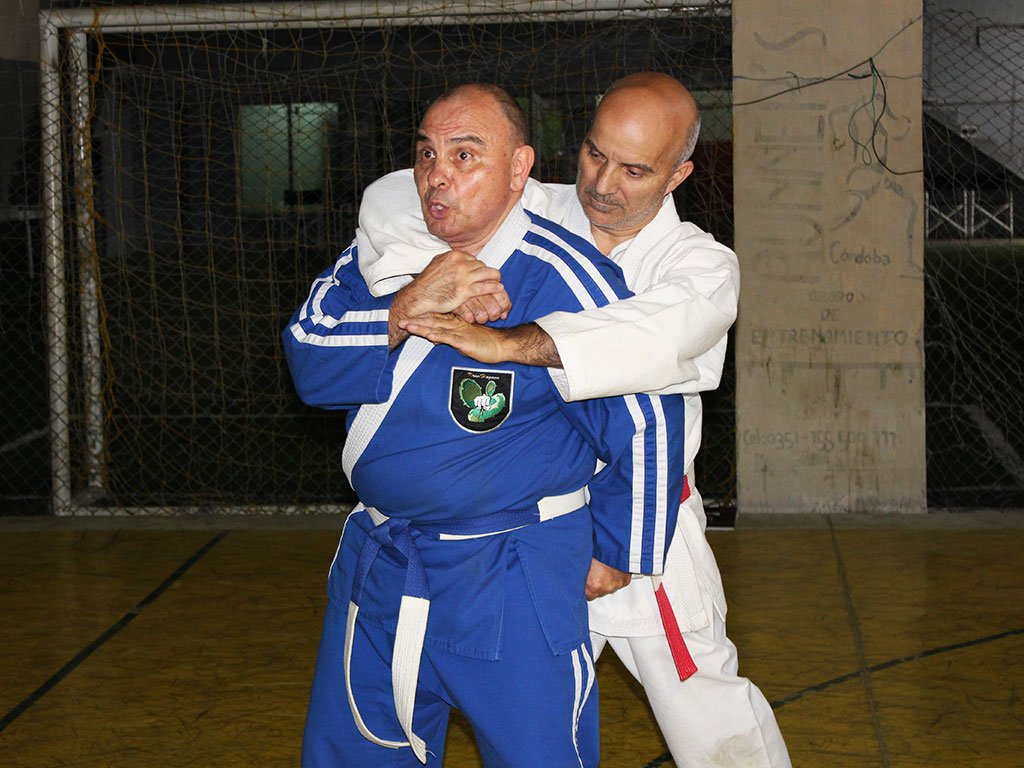
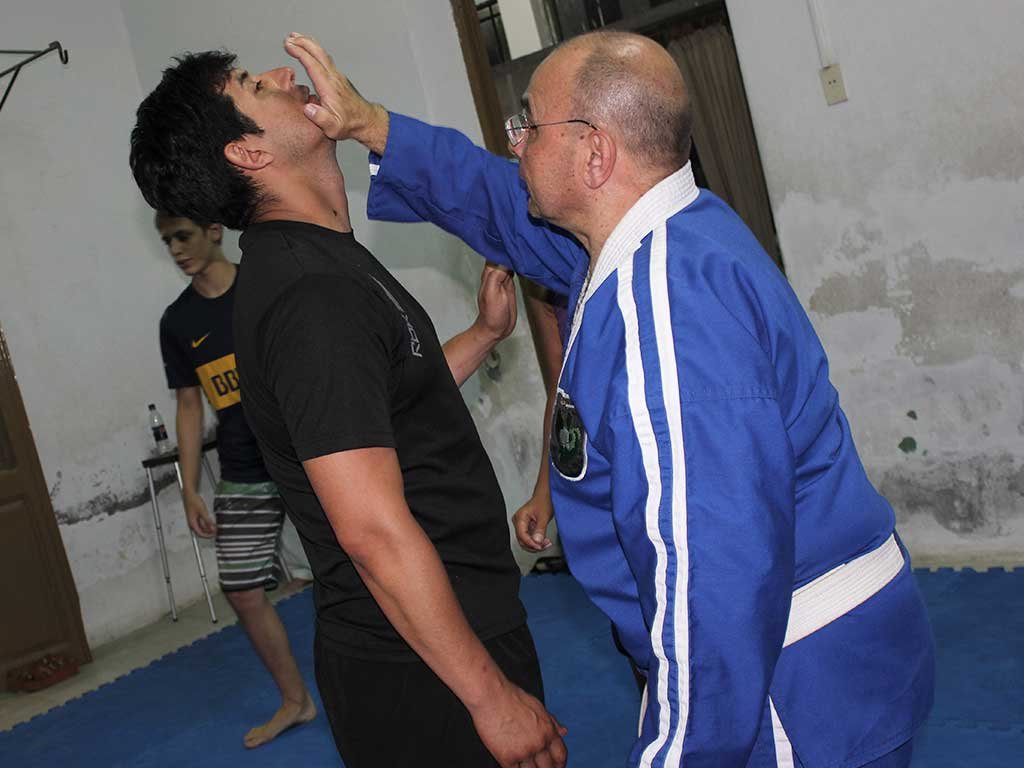
Krav Maga: Focused, Practical Hand-to-Hand Self-Defense
Krav Maga especially in its civilian form primarily centers on:
- Hand-to-hand self-defense
- Defenses against punches, chokes, grabs
- Responses to common weapon threats
- Simple, fast, instinct-based techniques
It excels at providing quick, accessible skills for everyday self-defense situations. Its goal is efficiency and survivability, not necessarily tactical operations or combat doctrine.
Krav Maga does teach defenses against knives and guns, but its emphasis remains on escaping danger and neutralizing threats quickly, not on long-form combat control or weapon-centric training.
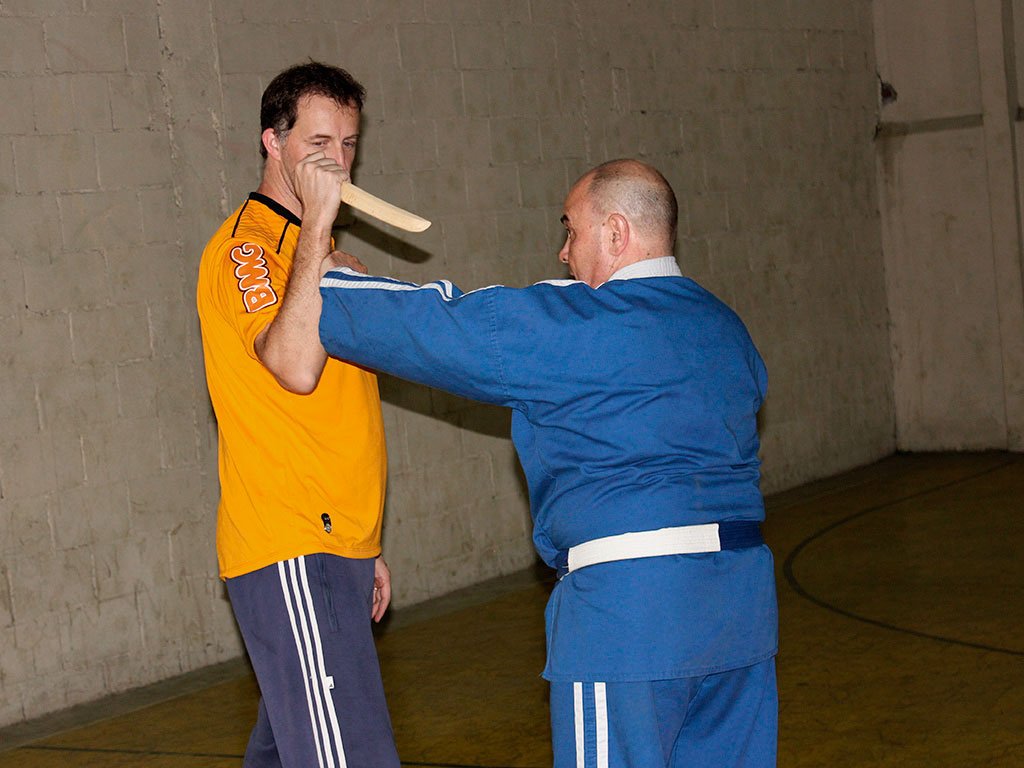
A Key Example: Knife Defense Strategy
The difference in scope becomes very clear when you look at how each system approaches a knife threat.
Krav Maga (Common Civilian Approach)
The main focus is to redirect, escape, or disarm. The priority is survival, remove the weapon’s line of attack and create distance.
Krav Hagana (Reported Tactical Approach)
Hagana emphasizes controlling the weapon-wielding arm, not just escaping it. By seizing the attacking limb, the defender gains three clear tactical follow-up options:
- Incapacitate the attacker
- Terminate the threat (in military contexts)
- Restrain or disarm with control
This creates a higher level of dominance over the situation, especially in scenarios where disengagement is not an option.
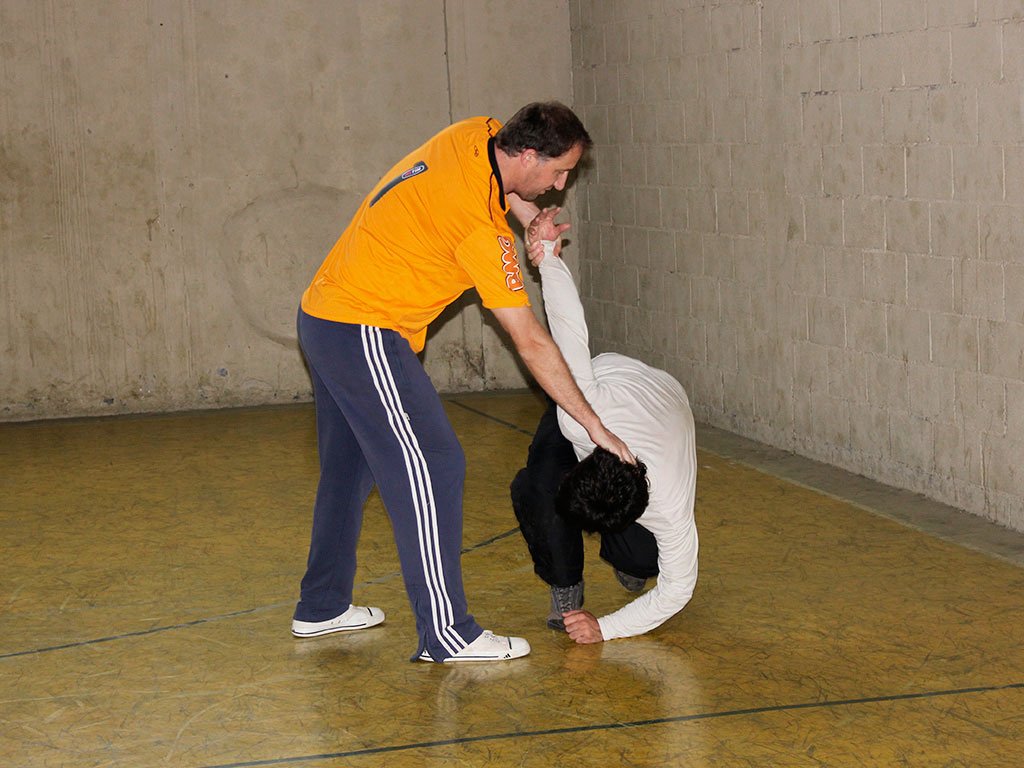
Another Example: Gun Threat Direction
Even small differences in technique reflect major differences in philosophy and tactical evolution.
Krav Maga (Traditional Civilian Teaching)
Redirect the gun sideways or downward, removing it from the defender’s line of fire.
Krav Hagana (Modern Tactical Report)
Redirect the gun upward, avoiding horizontal lines of fire that could strike bystanders at chest height.
This adjustment is influenced by feedback from active special forces personnel, who operate in environments where crowd safety and tactical positioning are critical.
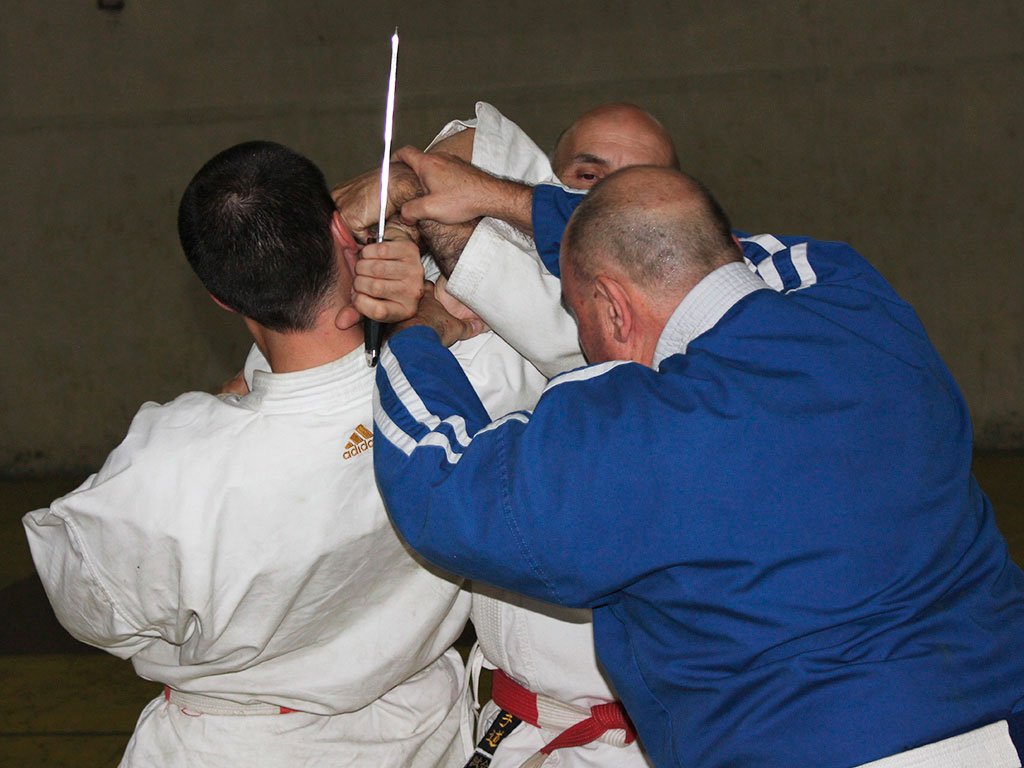
Conclusion: Two Systems, Two Missions
While Krav Maga remains one of the world’s most practical and widely taught self-defense systems, Krav Hagana’s strength lies in its broader, combat-driven structure.
-If you want practical self-defense, fast results, and simple hand-to-hand skills, Krav Maga is an excellent option.
-If you want a complete combat system, integrating weapons, tactics, conditioning, and modern operational strategies, Krav Hagana offers a more expansive curriculum.
Both are powerful. The best choice depends on your goals.
For more information about our training programs and class schedule, visit our official website